

How to Spot a High-Quality Coloring Book
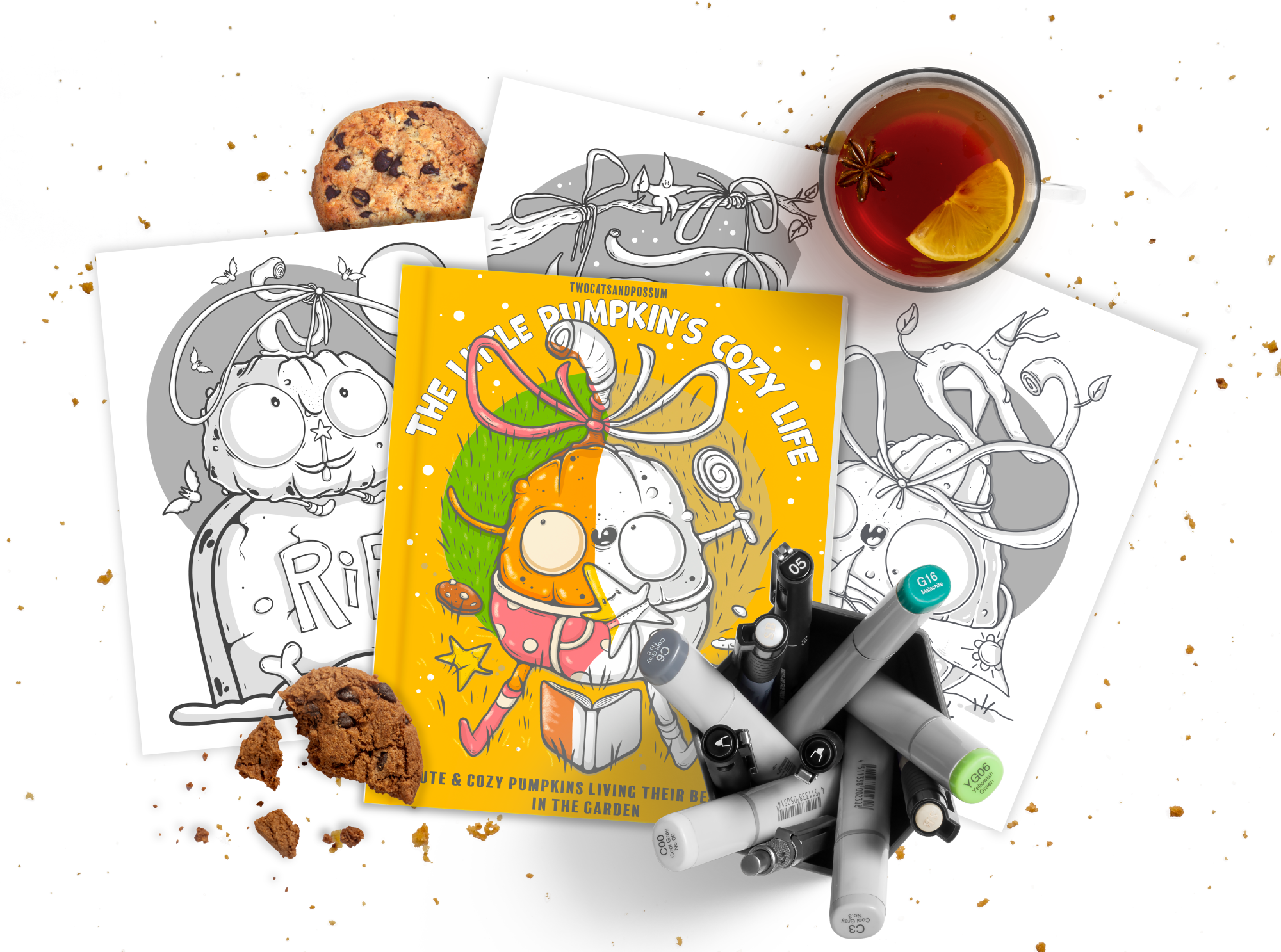
Don’t hesitate to grab this one here :)
And avoid bad AI “seven fingers” art so your coloring sessions don’t turn into a horror show
Okay, folks, gather ’round. We need to talk about something that’s been haunting my brain and art desk like an uninvited monster: low-quality coloring books, especially those with sketchy AI art.
You know the ones with extra fingers, warped faces, and floating limbs.
As a cartoon artist who’s drawn and colored more pages than my local library has books (no joke), I have strong opinions on this matter.
So, let’s clear the fog, sip some tea with milk and cookies, and learn how to:
Tell if a coloring book is high quality hand-drawn art
Spot AI-generated pages that are… suspicious
Avoid the worst books on the planet (seriously, some should be banned by law)
Find the best quality adult coloring books that make your art sing
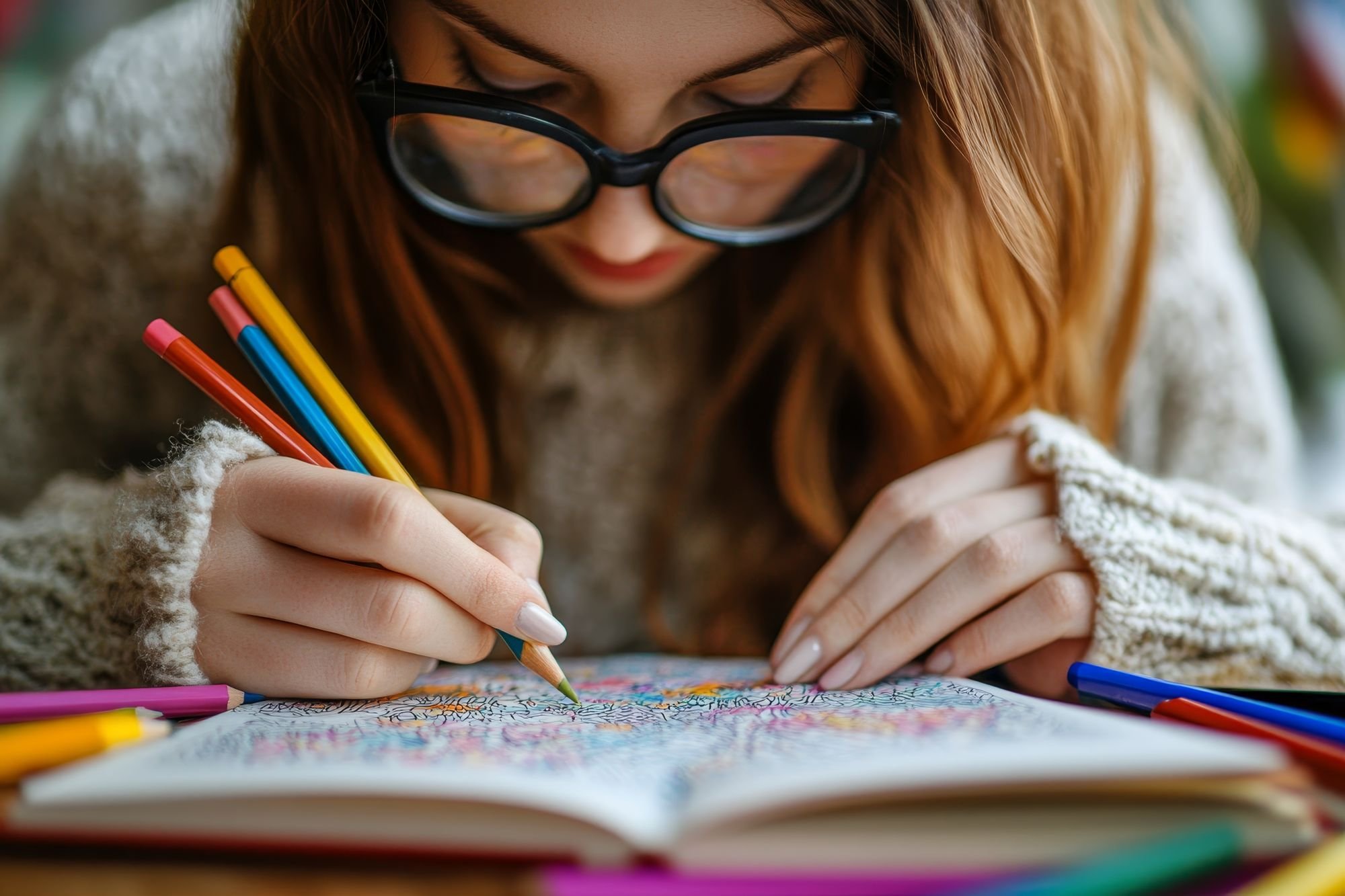
In this article, I intentionally use AI‑generated images
First, Why Quality Even Matters
Let’s get one thing straight: not all coloring books are created equal.
Some books feel essential - crisp lines, clever layouts, and illustrations that breathe.
Others look like they were drawn by someone’s kids and printed on leftover toilet paper rolls.
And the worst of the worst? AI‑generated freebies with anatomy that makes your eyeballs hurt.
Quality matters because:
You spend time (and love) on your art. Should the paper fight you? No.
Printing quality affects how markers and pencils behave.
Great line art actually inspires you - bad art leaves you frustrated.
And anyway… you deserve joy, not paper and anatomy trauma.
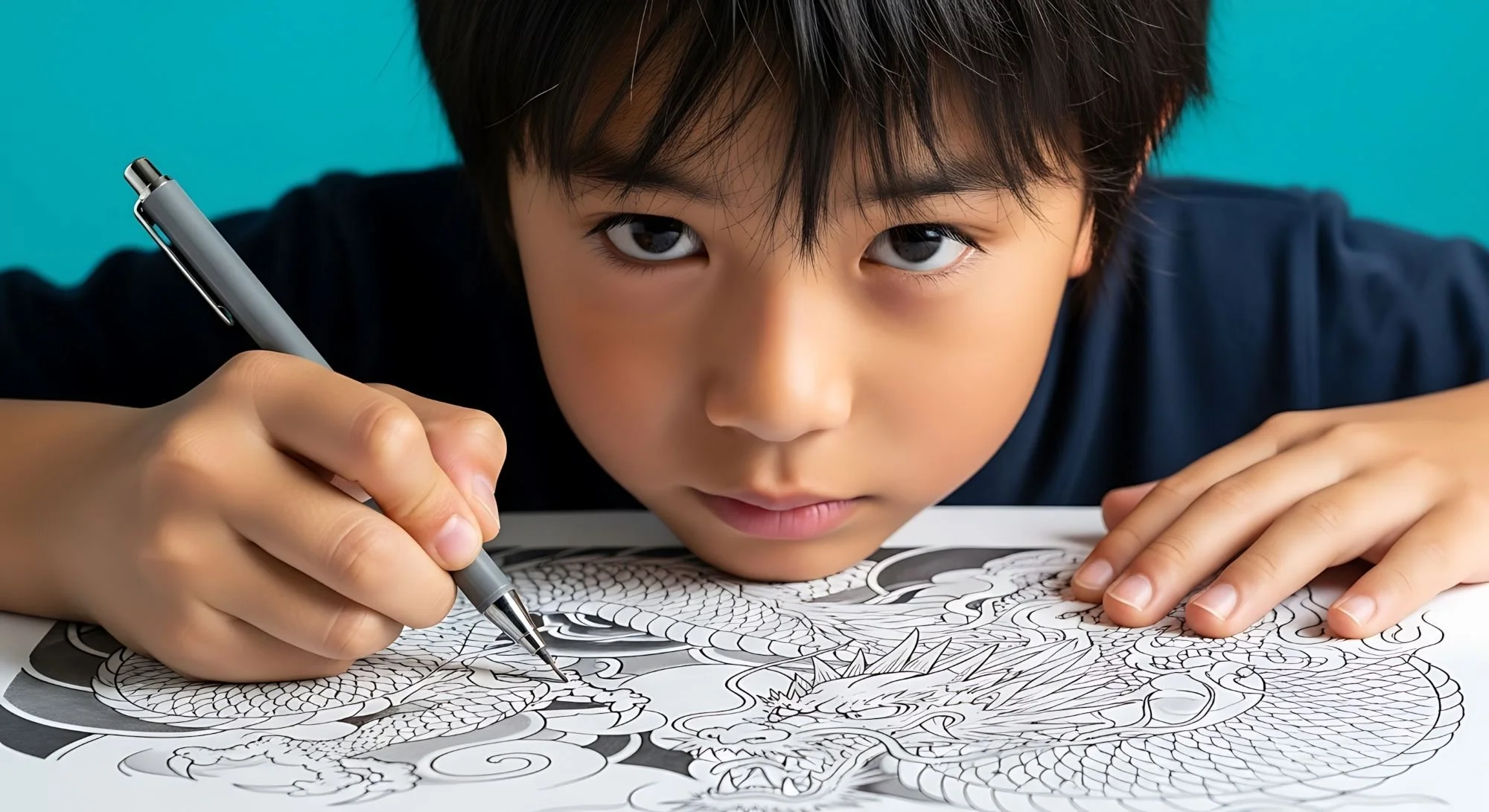
How to Spot a High-Quality Coloring Book (My Artist’s Checklist)
Here’s my professional (and occasionally goofy ;) guide:
1. Crisp, Clean Line Art
This is priority number one.
High-quality books have lines that are:
• Smooth and confident
• Consistent in thickness
• Not pixelated or blurry
• Free of random little dots and artifacts
If you zoom in or just look really closely (you can try to do so with any of my coloring pages) and the lines dissolve into blobs… that’s a red flag.
A truly great coloring book looks like the artist actually drew it.
Pro tip: If the cover looks good but the interior pages look like someone photocopied fridge doodles… run.
2. Real Artistic Composition
This one is kind of art school-y but stay with me.
Good coloring pages have:
Clear subject focus (no floating limbs or other oddities, even in magical scenes; everything should have a logical place.)
Balanced layouts - not just a bunch of random stuff slapped together
Thoughtful spacing so your colors have room to breathe
Bad books feel like someone said, “Let’s dump everything we can think of on a page until it looks busy,” and called it a day.
If it feels cluttered for no good reason - that’s not “complex” or “detailed,” that’s just busy-ness, and your eyes deserve better.
3. Does It Look “AI-ish”?
This part gets spicy because AI is here to stay… but also, some AI output is hot garbage.
Signs a page was likely generated by AI (and not cleaned up by a real artist):
Weird or incorrect anatomy
Multiple eyes, tails or other parts that shouldn’t exist
Hands with extra fingers
Feet that look like sad blobs
Repeated patterns that feel… robotic
Lines that start to “stutter” mid-stroke
Basically, AI often messes up subtle stuff humans do effortlessly, like hands, animals, hair that flows, fabric folds, etc.
So, if a coloring book has a ton of pages where something just looks off, not in a stylistic way but in a “why are there three elbows?” sort of way, it’s probably low-effort AI.
Now, some AI art can be amazing!
But quality coloring books with AI art should always be polished by a real artist too.
If the AI owns the whole thing? That’s a sketchy signal.
4. Line Weight Variety (Not Just One Boring Thickness)
Great artist uses line weight like seasoning in cooking, varied, intentional, and delicious.
Bad coloring books have:
Lines that are all the same thickness
Zero depth
No variation, no emphasis, no life
Good books have:
Thicker lines for outlines
Thinner lines for interior details
Variation that feels intentional
This makes coloring a million times more satisfying because your brain gets cues about what matters in the image.
5. Good Use of Negative Space
Negative space is not “empty space” - it’s breathing room.
Bad books:
Jam every corner of every page with nonsense
Leave no whitespace
Make your eyes feel like they’re at a rave
Good books let the eye relax.
They give you places to pause.
That’s what makes coloring fun instead of exhausting.
Think of it like a well-paced story instead of a text wall with no paragraph breaks.
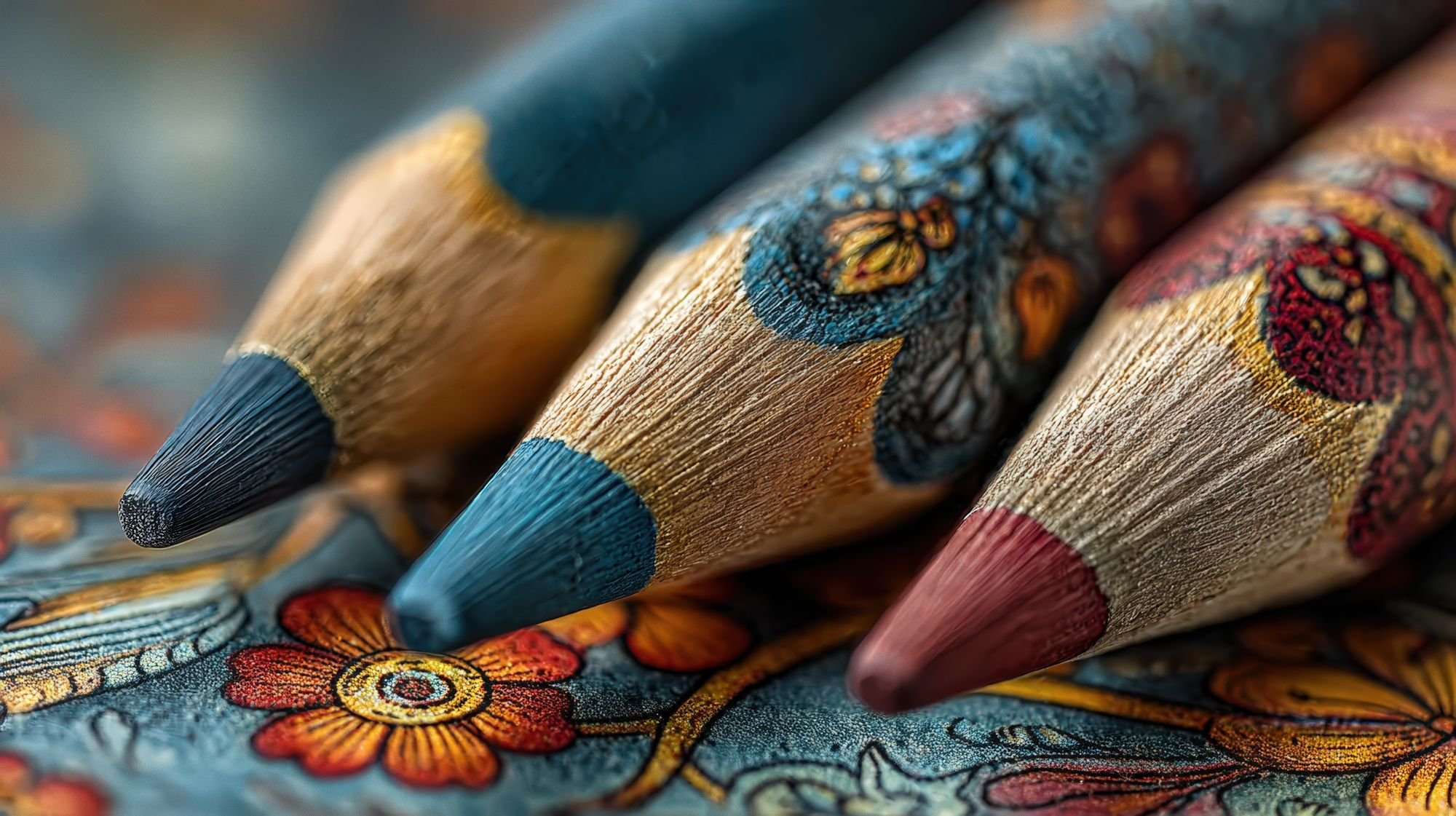
How to Tell If a Coloring Book Page Was AI-Generated
Okay, as someone who draws for a living, here are the hallmarks of AI pages that haven’t been artist-approved:
1. The “Odd Detail Syndrome”
Examples include:
• Random extra limbs
• Impossible perspective
• Objects that warp
• Repeated patterns that don’t make sense
These occur because AI doesn’t understand the subject, it just guesses patterns.
2. Copy-Paste Looking Structures
AI often struggles with creative variety, so sometimes the same pattern or motif gets repeated in a way that feels like photocopies stacked on top of each other.
If every page feels eerily similar - that might be a clue.
3. Inconsistent Line Quality
AI often produces super inconsistent line work - thick here, thin there, pauses mid-line.
That doesn’t feel intentional - that feels glitchy.
Red Flags: Avoid These Low-Quality Coloring Books
Here’s my artist’s no-nonsense list of things that should immediately make you go, “Uh… no thanks.”
Glossy thin paper that feathers markers
AI art with no artist signature or credit
Pages with weird anatomy errors
Crowded pages that look like chaos decided to have a baby
No clear focal point in the illustrations
Books that advertise “ai-generated!”
Yeah, I said it.
What if a book is literally bragging about AI? That’s great for tech folk, not for coloring pages. Because quality matters, and if it’s cheap and crappy, you’ll know within five seconds of coloring.
What Really Good Coloring Books Feel Like
When you find a high-quality book, you’ll know instantly because:
The pages invite you in
You want to pick up pencils and markers
You don’t feel overwhelmed - just ready
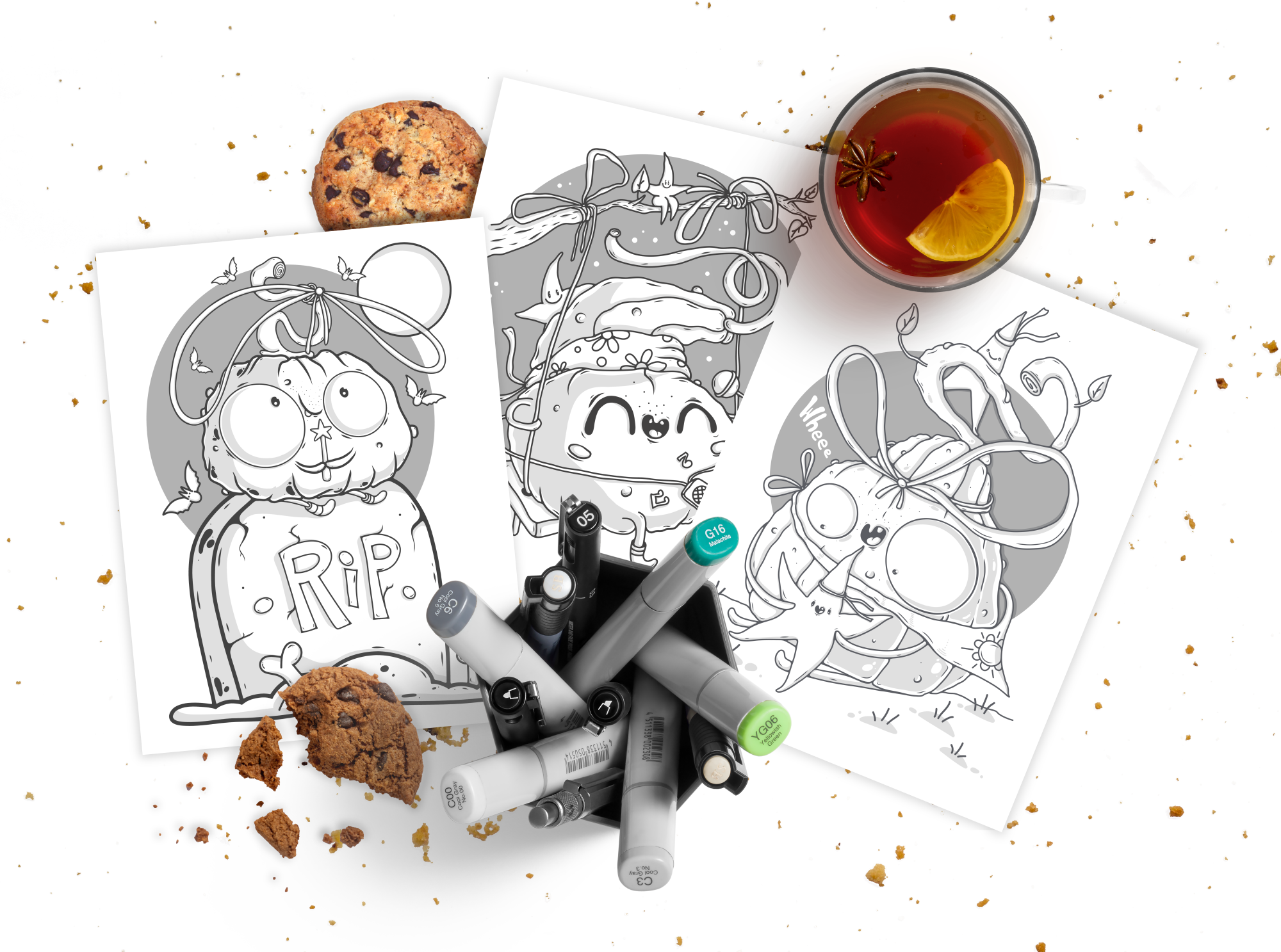
The characters and designs have personality
There’s flow - not random chaos
In other words, great coloring books feel like an adventure - not a trap.
Bonus Tips for Choosing the Best Quality Adult Coloring Books
Here’s your official pro checklist:
Look for real artist credits
Check previews of interior page illustrations
Avoid tiny pages scaled down from something else
Search reviews from real buyers, not AI-written ones
If in doubt, zoom in: do lines stay crisp?
Variety in design and themes - not same copy paste
A Quick Note About AI in Art
AI is not inherently bad. It’s a tool like my iPad and stylus pen. When used by real artists, cleaned up, refined, and curated… it can be wonderful.
But when bad actors slap AI art into books with zero refinement 💀 that’s where disappointment is born.
I’m all for innovation. I just want coloring books I can trust.
Your Art (and Sanity) Deserves Better
As a real artist who has drawn a lot of coloring pages and a couple of books, I’ll leave you with this:
Quality matters. Your coloring journey is too precious to waste on pages that bleed, distort, or make you sigh in defeat.
Artists matter. Real humans who draw real lines bring love, meaning, and purpose to every stroke.
AI should be refined. If it helps artists, great; if it’s lazy and sloppy, avoid it.
And most of all, nothing beats that click you feel when you open a book that was made with care.
So go forth, find the good books, avoid the bad ones, and remember, your markers and pencils are friends, not weapons of destruction against crappy art and paper.
Happy coloring!

If this article brought you value, take the next step and buy me a cup of coffee.
Your support directly fuels future art, deeper ideas, and more meaningful content.


Ever opened a coloring book and immediately thought… “Wait. Why does this mermaid have five tails?” As a cartoon artist, I’ve learned the hard way how to spot the difference between high-quality coloring books and low effort, glitchy AI art. In this guide, I’ll show you exactly how to tell if a coloring book is AI-generated, what separates the best quality adult coloring books from the disappointing ones, and how to avoid low quality coloring books that waste your time (and your markers).