

Marker-Friendly Coloring Books: What Paper Actually Works
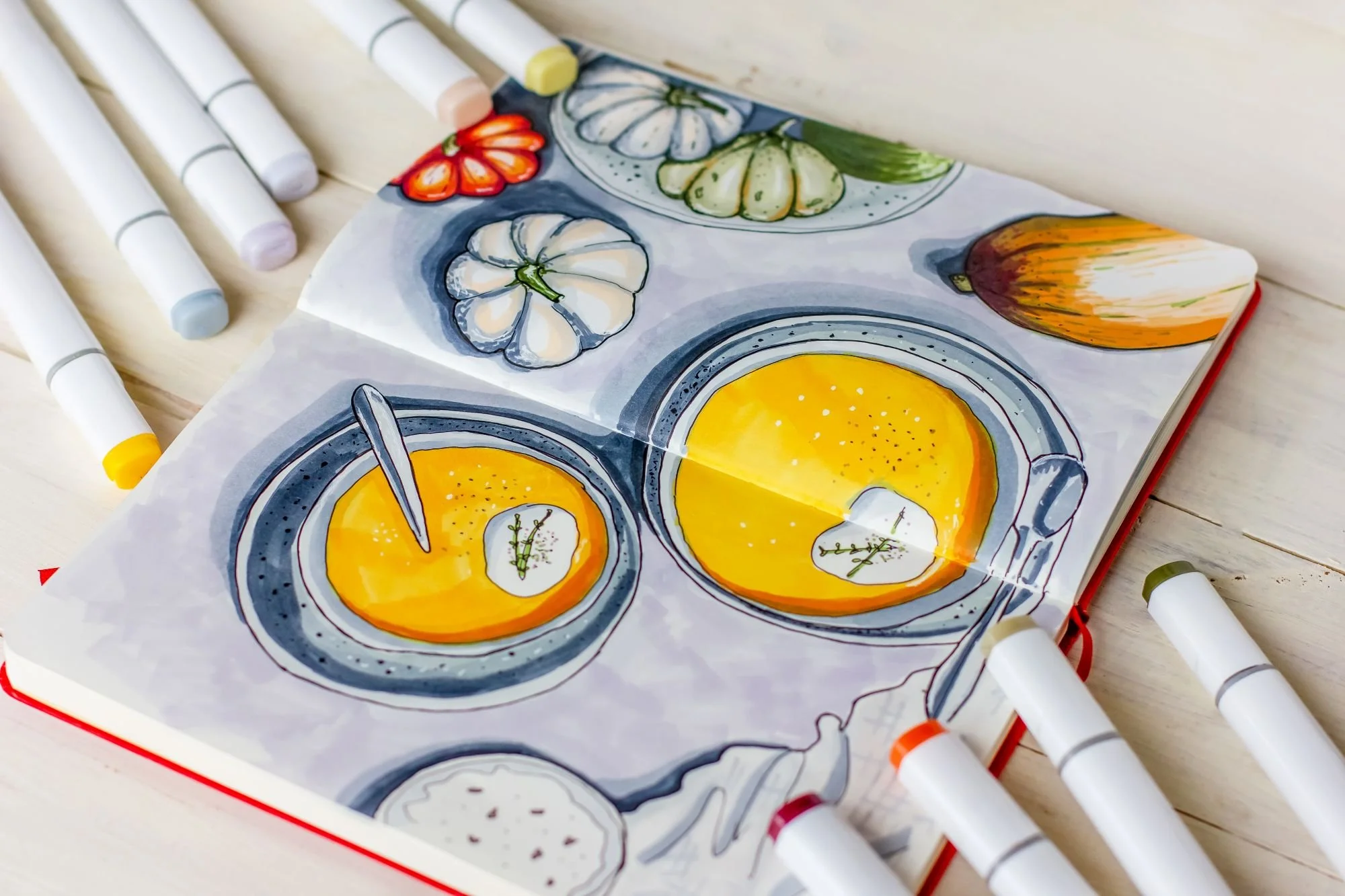
If you’re anything like me a cartoon artist who spends more time talking to my markers than actual humans you know the specific, soul-crushing agony I’m about to describe.
You’ve just spent forty-five minutes carefully sketching the perfect, chubby-cheeked dragon.
You reach for that $6 "Sunset Peach" alcohol marker.
You touch the tip to the paper, expecting a smooth, buttery blend.
Instead? The Papercalypse.
The ink spreads like a spilled juice box on a white rug.
It feathers.
It bleeds through three pages, staining the other illustrations.
Your dragon now looks like it’s been through a blender, and you’re left wondering if you should just go back to coloring pencils.
Well, wipe those tears and the ink off your desk.
Today, we are deep-diving into the world of marker-friendly coloring books and the science of what paper actually plays nice with our alcohol-based markers.
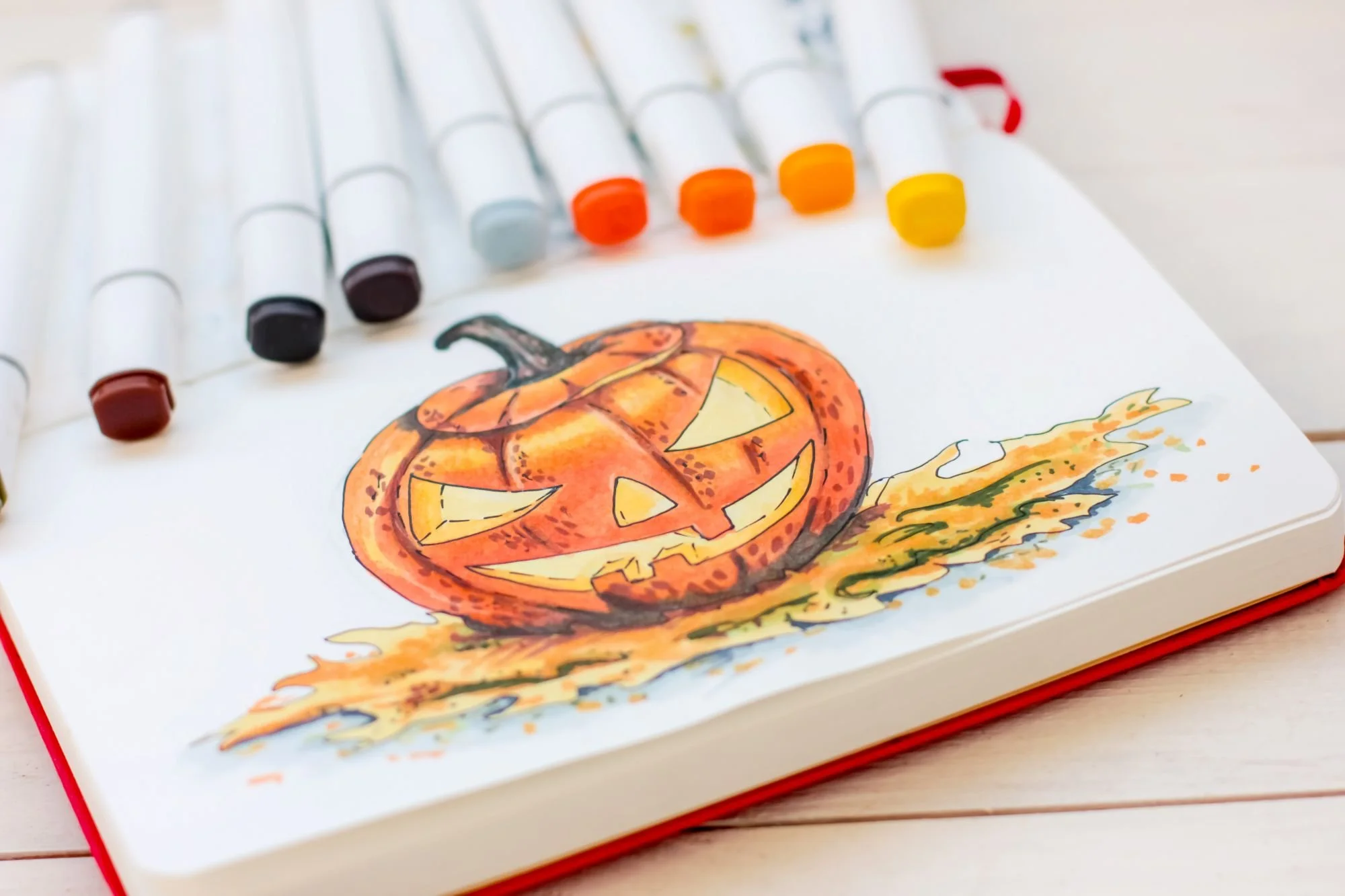
Why Alcohol Markers are Divas and Why Your Paper is Enabling Them
Before we get into the "what," we have to talk about the "why."
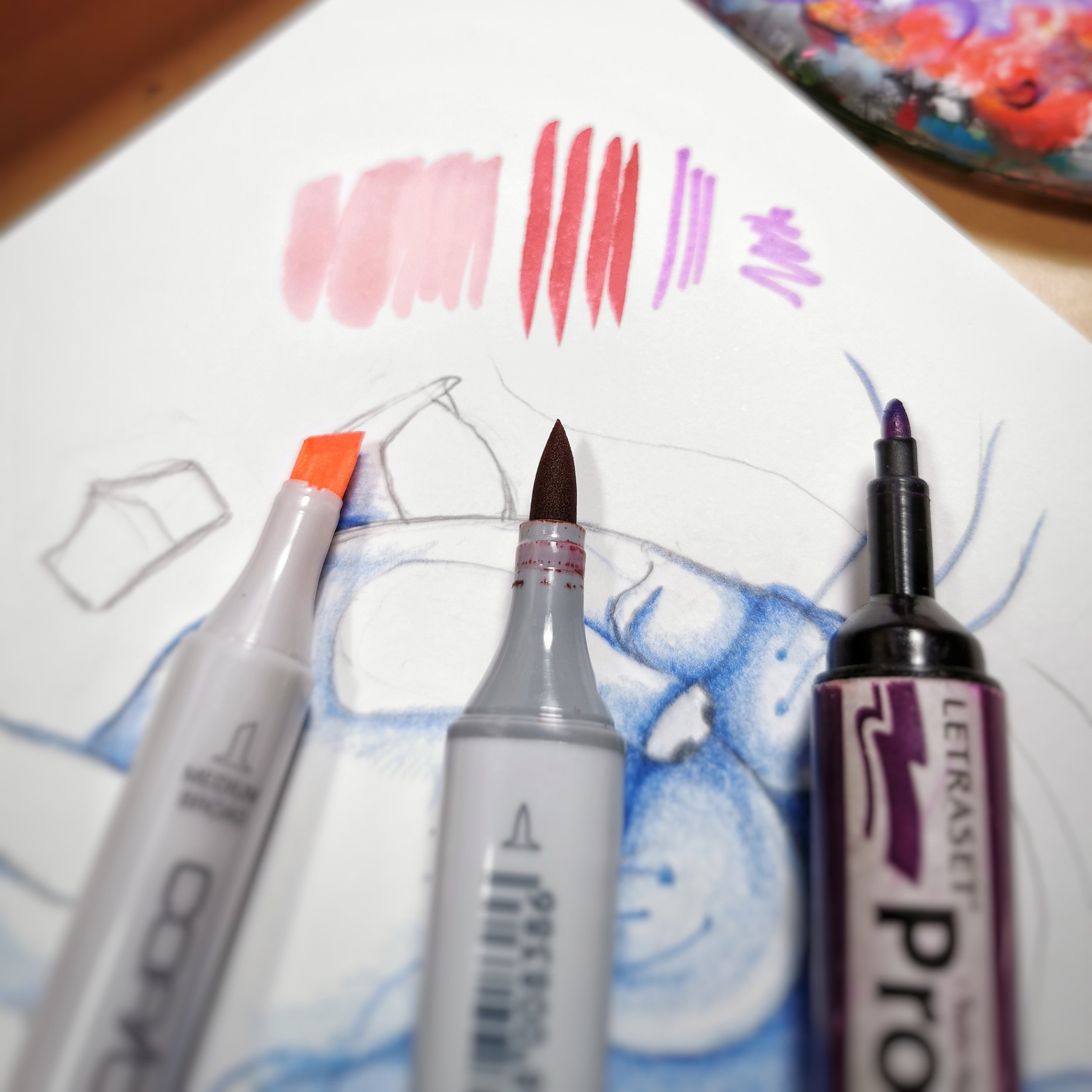
Alcohol markers (think Copic, Ohuhu, Arrtx, or those fancy ones you bought because the packaging was shiny ) are not like your standard school-grade Crayolas.
Water-based markers sit on top of the paper and wait for the water to evaporate.
Alcohol markers, however, are aggressive. They use alcohol as a solvent to carry pigment into the fibers of the paper.
They want to move.
They want to blend.
They want to live their best lives.
If the paper is too porous (like standard printer paper or cheap coloring books), the fibers act like tiny straws, sucking the ink out of your marker and pulling it in every direction.
This leads to the dreaded "feathering" where your crisp lines turn into fuzzy caterpillars.
To tame the beast, you need the right cage. And by cage, I mean paper.
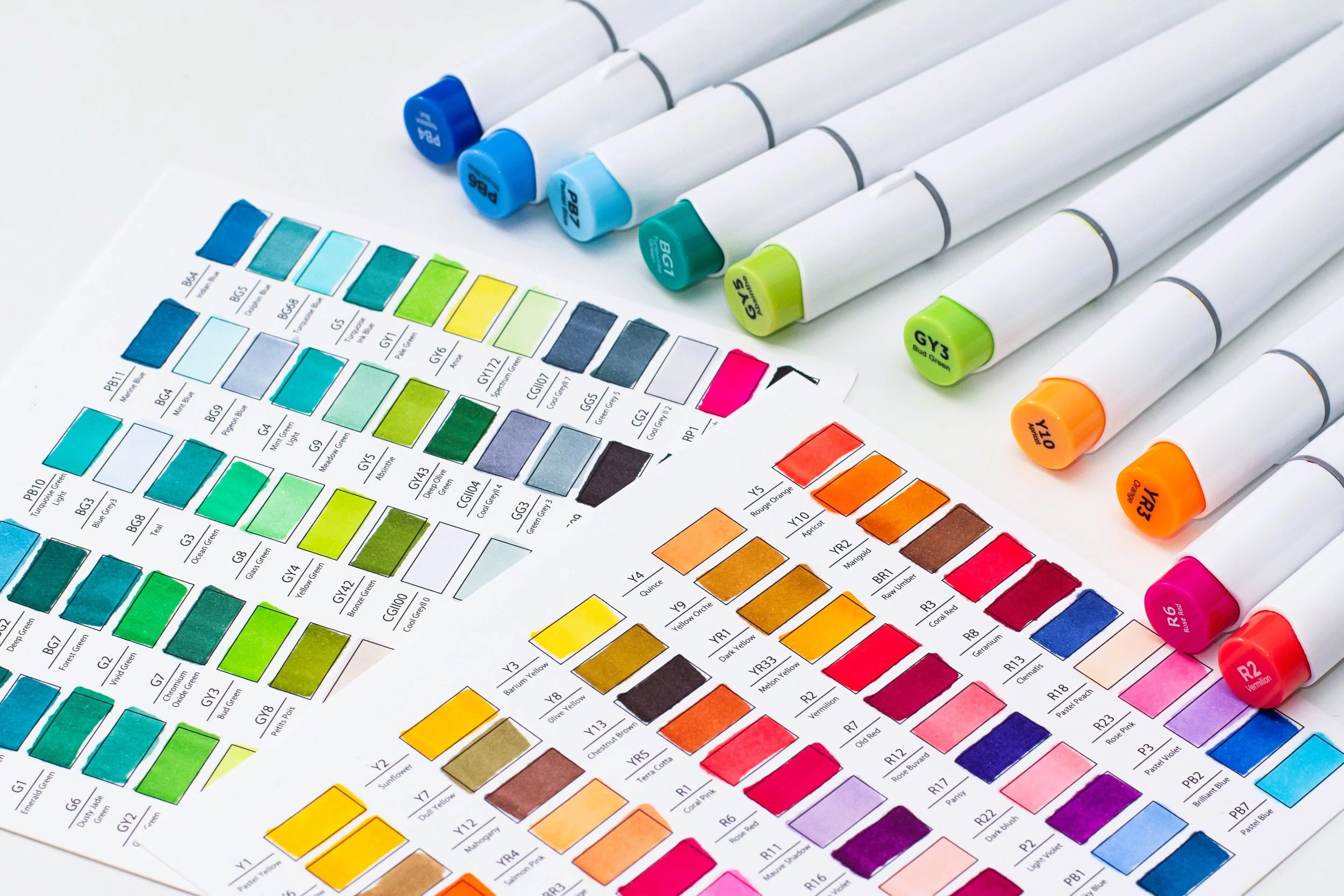
The "Holy Grail" Paper Weight Guide: GSM vs. LB
When you’re shopping for a coloring book or looking at cardstock to print your own coloring pages or designs, you’ll see numbers like "60 lb" or "120 gsm."
If you’re a normal person, these numbers mean nothing.
If you’re a paper nerd (welcome to the club, we have stickers), these numbers are the difference between a masterpiece and a mess.
Here is the "Cheat Sheet" for marker-friendly weights:
1. The "Tracing Paper" Tier (Under 90 GSM / 60 lb)
The Verdict: Run away.
The Vibe: This is standard "bargain bin" coloring book paper. It’s thin, scratchy, and will soak up ink like a thirsty sponge. You’ll get massive bleed-through, and your markers will run dry faster than my bank account after a trip to the art store.
2. The "I’m Trying" Tier (100–120 GSM / 70–80 lb)
The Verdict: Use with caution and a blotter sheet.
The Vibe: This is where many "premium" coloring books live. It’s okay for colored pencils, but alcohol markers will still ghost through the back. You can make it work if you aren't doing heavy blending, but it’s not the gold standard.
3. The "Sweet Spot" Tier (160–200 GSM / 90–110 lb)
The Verdict: Now we’re talking!
The Vibe: This is "heavyweight" territory. This thickness allows the ink to sit in the paper long enough for you to blend colors without it immediately soaking through to the table. Most high-quality artist markers love this weight.
4. The "Chonky" Tier (240+ GSM / 120+ lb)
The Verdict: The Tank.
The Vibe: This is heavy cardstock or Bristol board. It’s fantastic for markers because it’s almost impossible to bleed through. However, if it’s too thick and uncoated, it can actually suck up a lot of ink. It’s a power move, but use it wisely.
Paper Type Weight (GSM) and Marker Friendliness
Standard Copy Paper
Weight - 70-80 GSM
Marker Friendliness - 1/10
Best For - Crying
Standard Coloring Book
Weight - 90-100 GSM
Marker Friendliness - 3/10
Best For - Colored Pencils
Only Premium Coloring Book
Weight - 120-150 GSM
Marker Friendliness - 6/10
Best For - Light Marker Work
Marker Paper/Cardstock
Weight - 160-220 GSM
Marker Friendliness - 10/10
Best For - Professional Blending
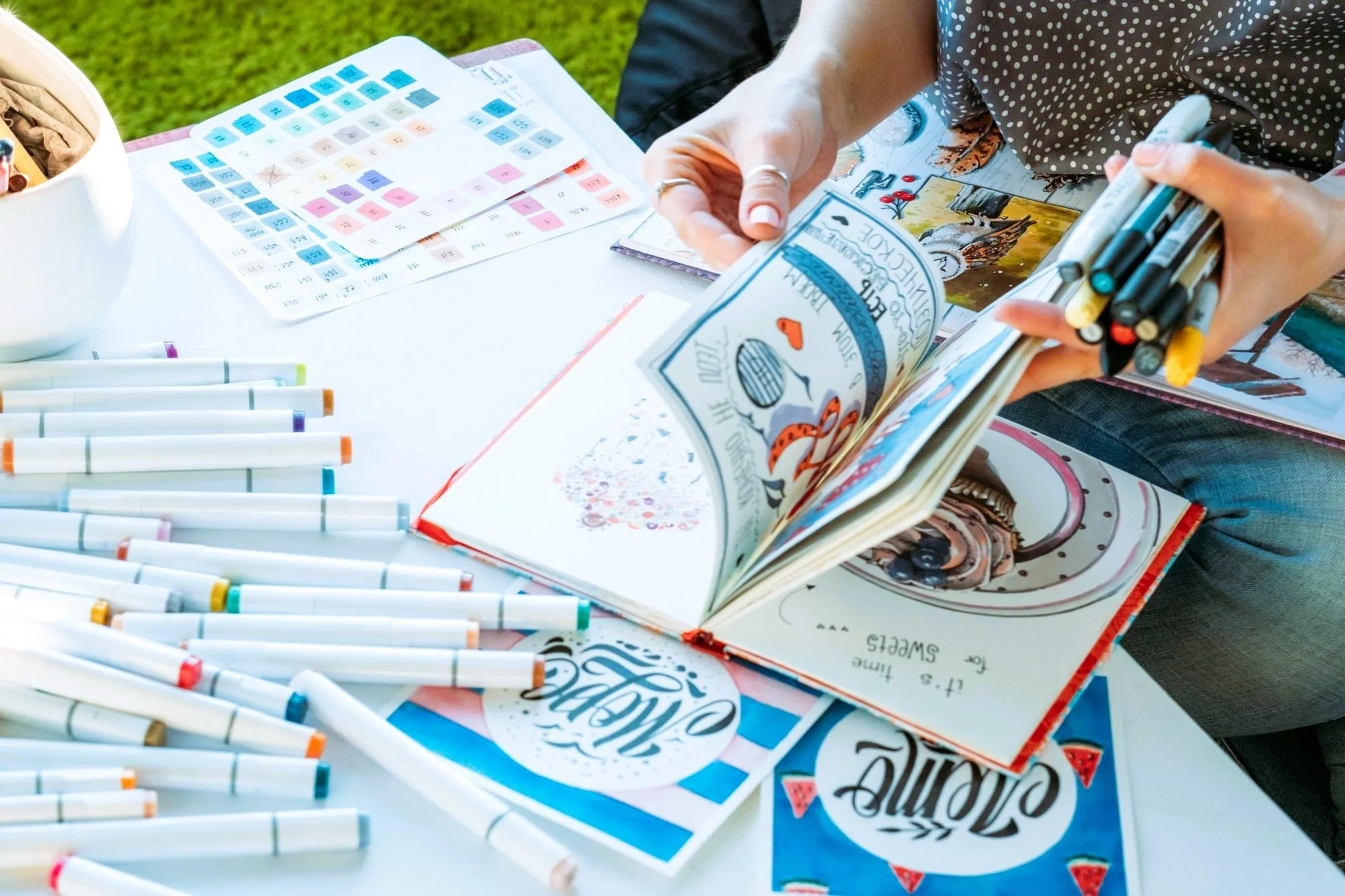
Texture: The "Tooth" of the Matter
Weight isn't everything.
Texture is the secret sauce.
In the art world, we call the texture of the paper the "tooth."
Rough/High Tooth: Think watercolor paper. It has bumps and valleys. This is terrible for alcohol markers. The bumps chew up your expensive marker nibs like a woodchipper, and the ink settles unevenly.
Smooth/Plate Finish: This is the promised land. Smooth paper allows the nib to glide. It keeps the pigment on the surface longer, which gives you that precious 3-second window to blend two colors together before the alcohol evaporates.
If you’re shopping for printing paper or coloring books, look for terms like "Smooth Finish," "Satin," or "Bristol Smooth".
If the paper feels like a sidewalk, put it back. Your markers will thank you.
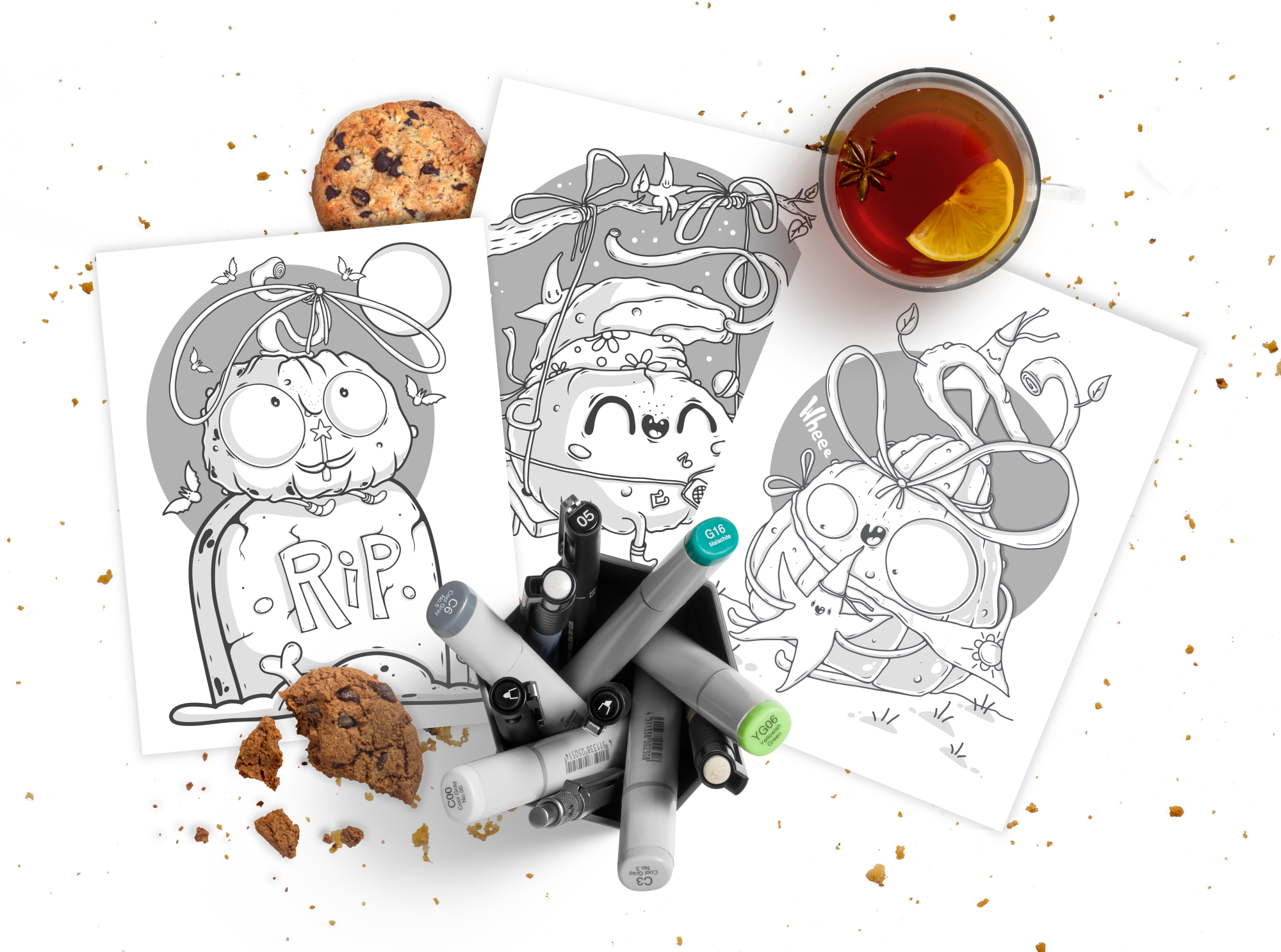
Go ahead and grab this pumpkin coloring book here and just print it on thick cardstock so your markers don’t bleed through :)
Coated vs. Uncoated: The Stealth Boss
Here is a pro-tip from your resident cartoonist: Some papers are "coated."
This doesn't mean they're plastic-wrapped; it means they have a chemical treatment that prevents ink from sinking in too deep.
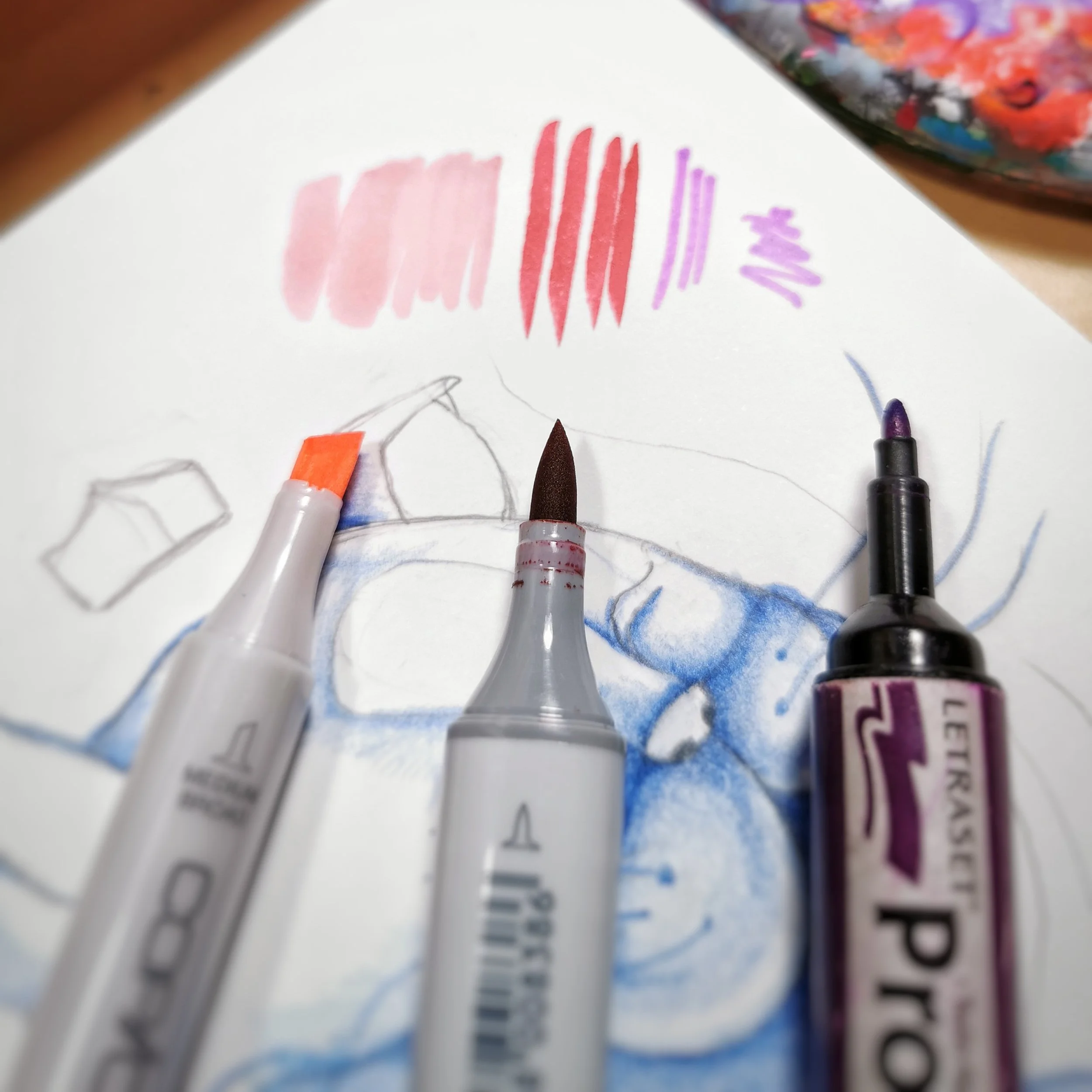
X-Press It Blending paper is the gold standard for this.
It feels thin, but it has a magical coating that keeps the ink on top.
You can layer five different shades of blue on that stuff, and it won't bleed.
If you find a coloring book that uses "coated marker paper," buy five of them. Immediately :)
The "Save Your Art" Hack: The Blotter Sheet
Listen, even the best coloring book can have a bad day.
If you’re working in a book where the designs are printed on both sides (the absolute audacity of some publishers), you are in danger of ruining the drawing on the back.
The Fix: The Blotter Sheet.
Take a heavy piece of cardstock or a plastic "marker protector" sheet and slide it behind the page you’re coloring.
This catches the excess ink so it doesn't assassinate the next illustration in the book. It’s a simple move, but it has saved more of my drawings than I care to admit.
How to Spot a Marker-Friendly Coloring Book in the Wild
When you’re browsing the aisles of your local bookstore or scrolling through Amazon, look for these three green flags:
Single-Sided Pages: This is non-negotiable for alcohol markers. If the art is on both sides, the markers will bleed through and ruin one side. Only buy double-sided books if you plan on using colored pencils.
Perforated Edges: This allows you to rip the page out and tape it to a flat, hard surface (or your fridge, no judgment). This prevents the "spine-bump" from ruining your hand stability.
Explicitly Labeled "Marker Friendly": Publishers are starting to get the hint. Look for books that boast about 100lb+ paper or "No-Bleed" tech.

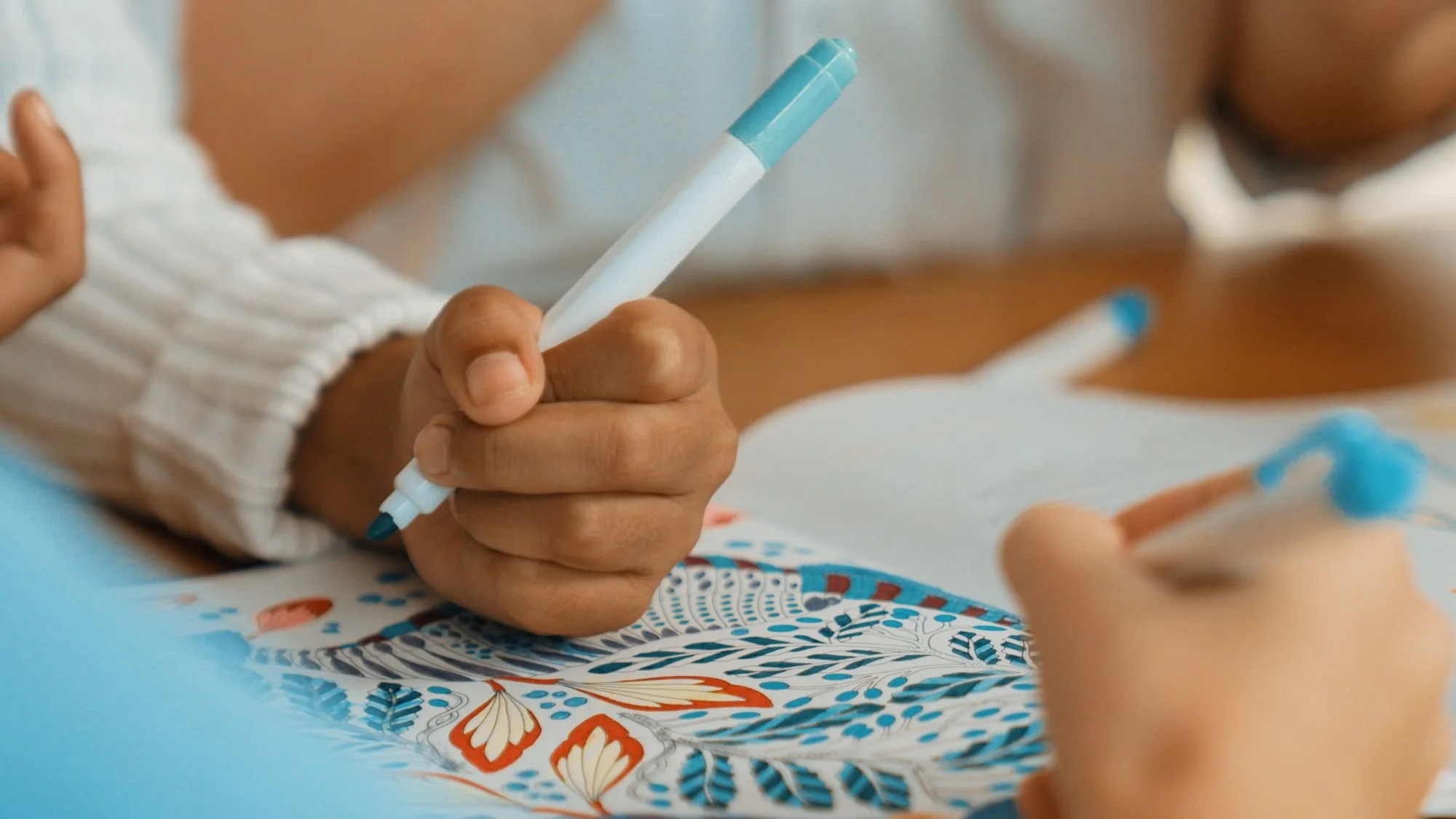
Feel free to download this bunny coloring page here and give your printer a chance to surprise you :)
DIY: Printing Your Own Coloring Pages
Sometimes, the best coloring book is the one you make yourself. That’s why I love to make my coloring books downloadable :)
Only this option gives you total control over the paper.
If you’re printing at home, here is my secret recipe:
The Paper: Neenah Exact Index 110lb Cardstock. It’s smooth, it’s white (not cream, which messes up your colors), and it blends like a dream.
The Printer: Make sure you use a Laser Printer if possible. Inkjet ink can sometimes reactivate with alcohol markers and smear your black lines into a muddy grey mess.
If you only have an inkjet, let the print dry for 24 hours before coloring, or "heat set" it with a blow dryer.
For the People Who Scrolled to the Bottom
To have a good time with alcohol markers, you need paper that is:
Thick (160 GSM / 90 lb minimum).
Smooth (Low tooth, no bumps).
Single-sided (Unless you like living on the edge).
Don't let bad paper ruin your creative groove. You’ve spent the money on the good markers, so give them hard work they deserve!
Now, if you’ll excuse me, I have a dragon to color :)
If you still have any questions about alcohol markers suitable paper, feel free to ask in the comments below. I'm here to help you find solutions and encourage your creativity! Cheers!

If this article brought you value, take the next step and buy me a cup of coffee.
Your support directly fuels future art, deeper ideas, and more meaningful content.
Don’t just follow - support.
Thank you for making this possible.
What to read next:
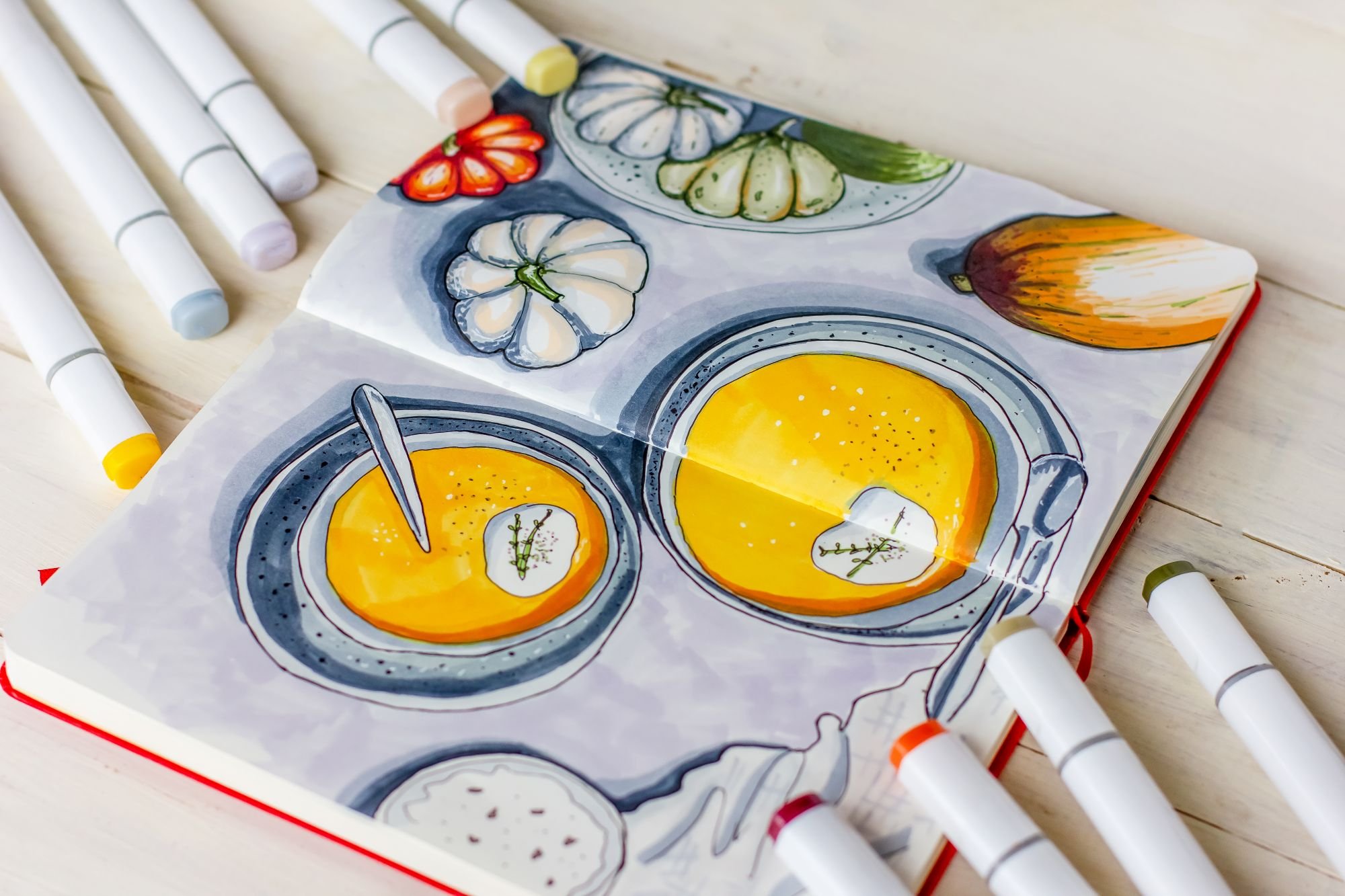

Ever opened a coloring book and immediately thought… “Wait. Why does this mermaid have five tails?” As a cartoon artist, I’ve learned the hard way how to spot the difference between high-quality coloring books and low effort, glitchy AI art. In this guide, I’ll show you exactly how to tell if a coloring book is AI-generated, what separates the best quality adult coloring books from the disappointing ones, and how to avoid low quality coloring books that waste your time (and your markers).